
by Darren Combrink | Aug 26, 2025 | Insights and Trends
How to Write Content That Is SEO-Compliant
Crafting website page content can seem overwhelming, especially when you need to follow SEO standards. However, learning how to write content that is both SEO-compliant and engaging is a critical skill for any business owner. The goal is to create a seamless experience for both search engines and human visitors. By following a structured approach, you can ensure your content meets all the technical requirements while still being a pleasure to read. This guide will walk you through the key steps and best practices.

Aligning Content with User Intent
Before you write a single word, you must understand your target audience and what they are searching for. This is called “user intent.” Are they looking for information, a specific product, or a solution to a problem? For example, if someone searches for “best running shoes,” their intent is likely to find reviews and comparisons, not just a product page. Your content must align with this intent. Consequently, you will provide the most relevant and valuable answer to their query, which is what search engines and users both appreciate.
Strategic Keyword Integration
Keywords are the building blocks of SEO. They are the words and phrases people use to find information online. To use them effectively, you should conduct thorough keyword research to identify the terms most relevant to your business. Once you have a list of keywords, you can integrate them naturally into your content. This includes placing your main focus keyphrase in the main heading and first paragraph. You should also include related keywords in subheadings and throughout the body of the text. Remember, the goal is to provide context, not to simply stuff keywords in wherever you can.
The Importance of Meta Tags
Meta tags are the snippets of code that provide information about your page to search engines. Two of the most important are the meta title and the meta description. The meta title (or SEO title) is the clickable headline that appears on the search engine results page (SERP). It should be concise and include your primary keyword. The meta description is the short summary that appears below the title. It should be compelling and contain your keyphrase to encourage clicks. When these tags are written well, they can significantly increase your click-through rate.
Structuring Content with Headings
Headings are crucial for both SEO and readability. They break your content into logical, easy-to-scan sections. The main title of your page should be an H1 tag. Your subheadings should be H2, H3, and so on, creating a clear hierarchy. Using headings helps search engines understand the structure of your content and the main topics covered. Furthermore, users can quickly scan the page to find the information they need, which improves their overall experience.
Improving Readability for Humans and Bots
Modern search engines place a high value on content that is easy for humans to read and understand. Therefore, readability is a key SEO factor. Use short, concise paragraphs (3-5 sentences) to make your content scannable. Vary your sentence length to create a natural rhythm. Break up long blocks of text with bullet points, numbered lists, and bolded text to highlight important information. Additionally, use transition words to create a smooth flow between sentences and paragraphs. This makes the content more engaging and helps both readers and search engines follow your arguments.

Crafting Compelling and Engaging Language
While SEO requires a technical approach, the content itself must be compelling. It should speak directly to your audience, addressing their pain points and offering solutions. Use a clear, natural tone that reflects your brand’s voice. Tell stories, provide examples, and answer questions. The balance between technical SEO requirements and engaging language is essential. Content that is technically perfect but boring will not keep visitors on your site. Conversely, well-written content that is not optimised will not be found.
Strategic Internal Linking
Internal links are hyperlinks that connect different pages on your website. They are an often-overlooked but crucial part of SEO. By linking related content, you can help search engines discover and index more of your pages. Internal links also help to distribute “link equity” across your site, which can improve the ranking of important pages. When adding internal links, use descriptive anchor text that tells the reader and the search engine what the linked page is about.
Ensuring Content is Unique and Valuable
Search engines prioritise unique, high-quality content. Do not copy content from other websites. Instead, aim to provide new insights, a unique perspective, or more comprehensive information than your competitors. This will not only please search engines but also build your brand’s authority and credibility. Valuable content answers your audience’s questions, solves their problems, and educates them.
Putting It All Together
Writing SEO-compliant content is a process that requires a combination of research, strategy, and creative writing skills. By aligning with user intent, integrating keywords naturally, and structuring your content for readability, you can create pages that both rank well and resonate with your audience. Remember to use compelling language, create descriptive meta tags, and build a strong network of internal links. Over time, these practices will lead to higher rankings, more traffic, and ultimately, greater business success.
Please contact SEO Partners with any questions you have about how to write content.

by Darren Combrink | Aug 26, 2025 | Insights and Trends
Website Content Optimisation Guide
In today’s competitive online landscape, having a great-looking website is simply not enough. Your content must work hard for you, and that means it needs to be found by the right people at the right time. This is where a proper website content optimisation guide becomes invaluable. In essence, it’s about refining and rewriting your existing content to meet SEO best practices. This essential process ensures your website is visible to search engines and, more importantly, to your target audience. Let’s explore why content optimisation is a cornerstone of any successful digital strategy.

The Role of Optimised Content in SEO
You have probably heard the phrase, “Content is king.” This holds true, especially when it comes to search engine optimisation. Optimised content is the foundation of effective search engine visibility. It allows search engines to understand what your website is about, its relevance to specific search queries, and its authority in a given niche. Without this crucial step, your brilliant ideas and valuable information might remain hidden in the depths of the internet, never reaching their intended audience.
How Optimised Content Improves Rankings
Search engines like Google use complex algorithms to rank web pages. These algorithms analyse numerous factors, but content quality and relevance are among the most significant. When you optimise your content, you are essentially providing search engines with the signals they need to rank your pages higher. This includes the strategic use of keywords, clear headings, and a logical structure that makes the information easy to digest. Ultimately, a higher ranking means more clicks, and more clicks translate into more potential business.
Attracting Qualified Traffic
One of the main goals of SEO is to attract “qualified traffic.” This means attracting visitors who are genuinely interested in your products or services. Optimised content achieves this by targeting specific keywords and phrases that your ideal customers are searching for. For example, a bakery that optimises its blog post for “best gluten-free cupcakes in London” is more likely to attract people looking to buy those exact products, as opposed to someone just casually browsing for recipes. This targeted approach ensures that your website visitors are more likely to convert into customers.
Enhancing the User Experience
Many people think SEO is only about pleasing search engine bots. In reality, a large part of modern SEO is about pleasing human visitors. Optimised content is well-structured, easy to read, and provides clear, concise answers to user questions. This enhanced user experience has a direct impact on your rankings. For instance, if visitors find your content valuable, they will spend more time on your page, reducing the “bounce rate” and signalling to search engines that your site is a credible resource.
Refining and Rewriting: A Necessity for Success
Your existing website content might be well-written, but if it was not created with SEO in mind, it will likely underperform. This is why content must be refined or rewritten to meet current SEO best practices. This process is not about a complete overhaul. Instead, it involves strategically integrating keywords, improving readability, and adding a structure that makes the information more accessible. By taking this step, you are giving your content the tools it needs to compete in the search rankings.
The Core Components of Optimised Content
Optimising your content involves several key components. Each element plays a vital role in signalling your content’s relevance to search engines. Let’s explore these components in more detail.
Keyword Integration
Keywords are the foundation of any content optimisation strategy. They are the words and phrases that people type into search engines. Integrating them naturally into your headings, subheadings, and body paragraphs is crucial. However, it’s important to avoid “keyword stuffing,” which is the practice of excessively using keywords in a way that makes the content unnatural and difficult to read. Instead, focus on using keywords thoughtfully to provide context and relevance.

Structured Headings and Subheadings
Using H1, H2, and H3 tags to structure your content is not just for aesthetics; it’s a vital SEO practice. A main header (H1) should contain your primary keyword. Subheadings (H2, H3, etc.) should break up your content into logical sections and often contain related keywords. This structure helps search engines understand the hierarchy of your content and makes it easy for readers to scan and find the information they are looking for.
Readability and User-Friendliness
Search engines reward websites that provide a good user experience. This includes content that is easy to read. You can improve readability by using short paragraphs, bullet points, and numbered lists. Additionally, a clear and conversational tone makes the content more engaging. This is especially important for complex topics, as it helps readers absorb the information without feeling overwhelmed.
Internal and External Linking
Internal links connect different pages on your own website, while external links point to other credible websites. Both are essential for SEO. Internal linking helps search engines discover and index more of your pages. It also allows you to pass “link equity” from strong pages to weaker ones. External links, on the other hand, signal to search engines that your content is well-researched and trustworthy.
Making Content Search-Friendly
Ultimately, the goal is to make your content as “search-friendly” as possible. This means crafting content that not only provides value to your audience but also follows the technical guidelines that search engines use to rank pages. It’s a delicate balance. The most successful content is that which is written for people first and search engines second.
Conclusion
A website content optimisation guide is a crucial tool for any business looking to succeed online. It’s about more than just ranking higher; it’s about connecting with your audience, building trust, and generating meaningful traffic. By dedicating time and resources to refining and rewriting your content, you are making a long-term investment in your brand’s digital presence and ensuring it remains a powerful tool for growth and visibility. Following this website content optimisation guide will help your business thrive.
Learn more: Contact SEO Partners.

by Lynn Dreyer | Aug 22, 2025 | Insights and Trends
How to Write Location-Based Content That Ranks in South Africa
Creating content that targets specific locations in South Africa is vital to tapping into local markets and ranking well on search engines. A well-executed local content strategy South Africa helps businesses connect with their communities, improve online visibility, and attract customers who are searching for nearby products or services.
In this guide, we will explore essential techniques for structuring blog posts and landing pages with strong location signals, helping your content stand out in South African search results.

Understanding Local Content Strategy South Africa
Local SEO focuses on optimising for geographical queries and location-specific searches. For South African businesses, integrating local signals into content drives relevant traffic and boosts conversions by appealing to customers in targeted areas.
A good local content strategy involves more than just mentioning place names; it requires thoughtfully crafting content that resonates with local culture, addresses regional needs, and clearly signals to search engines the geographical intent of your pages.
Key Components of a Successful Local Content Strategy
Research Your Target Locations
Begin by researching the specific cities, suburbs, or regions in South Africa where you want to rank. Understand the terminology locals use, competing businesses in those areas, and any regional interests or challenges.
This informs how you tailor keywords and themes, ensuring your content speaks authentically to your audience.
Incorporate Location Keywords Naturally
Use your target location names naturally throughout your content — in titles, headers, body text, meta descriptions, and URLs. For example, phrases like “plumbing services in Cape Town” or “best coffee shop in Durban” are clear location signals.
Avoid keyword stuffing by ensuring placement feels organic and supports the overall content narrative.
Create Separate Landing Pages for Each Location
If your business serves multiple areas, create dedicated landing pages for each location. Each page should have custom content focused exclusively on the services, customer needs, and local aspects of that specific area.
Unique, location-tailored pages outperform generic ones by delivering more relevant information that both users and search engines value.
Structuring Blog Posts with Local Signals
Optimise Blog Titles and Headings with Location
Start your blog post with a compelling title that includes the target location keyword. For example, “Top Hiking Trails in the Drakensberg, South Africa.”
Use H1 for the main title including the location. Break the content into sections with H2 and H3 headings that reinforce location-based topics, e.g., “Popular Trails Near Pietermaritzburg” or “Safety Tips for Hiking in KwaZulu-Natal.”
Use Localised Content and Stories
Add anecdotes, case studies, or testimonials related to the particular location. Incorporate local landmarks, events, or cultural nuances to engage readers and make your content authentic.
Search engines increasingly value content demonstrating real local expertise and experience.
Embed Maps and Local Contact Information
Integrating maps, addresses, phone numbers, and business hours relevant to the location improves user experience and helps Google verify your location signals.
Consider adding Google Maps embeds or links to local directories.
Crafting Meta Descriptions and URLs for Local SEO
Your meta description should include the location naturally and entice clicks by addressing local user intent. For example: “Discover the best garden centres in Johannesburg – top tips, reviews, and expert advice.”
Keep URLs short but descriptive, incorporating the location keyword where it fits, e.g., seopartners.co.za/garden-centres-johannesburg.
Leverage Structured Data to Highlight Local Information
Using schema markup like LocalBusiness schema helps search engines understand your business details such as location, operating hours, and contact information.
Adding these structured data tags increases chances of enhanced search results like rich snippets, improving click-through rates.
Local Link Building and Citations
A local content strategy is incomplete without building local backlinks and citations. Partner with local blogs, directories, and community websites to gain relevant backlinks.
Ensure your business name, address, and phone number (NAP) are consistent across all online listings in South Africa, boosting trustworthiness to search engines.
Track Results and Adjust Your Strategy
Use tools like Google Analytics and Google Search Console to monitor the performance of your location-based content.
Track metrics such as local keyword rankings, organic traffic from target areas, and engagement metrics. Use these insights to refine your content and better serve your audience.

Conclusion
A well-planned local content strategy South Africa integrates location-specific keywords, landing pages, culturally relevant content, and technical SEO practices to boost local search visibility. By optimising blog posts and pages with authentic local signals, your business can dominate search results and connect effectively with South African communities.
Invest in consistently creating and optimising localisation-focused content to capture greater market share and grow your brand regionally.
If you would like help developing or optimising your South African local content strategy, the SEO Partners team is here to guide you every step of the way. Let’s get your business seen where it matters most. Click here

by Lynn Dreyer | Aug 13, 2025 | Insights and Trends
The Complete Guide to Get Google Reviews Ethically in South Africa

Introduction: The Power of Authentic Reviews in South Africa
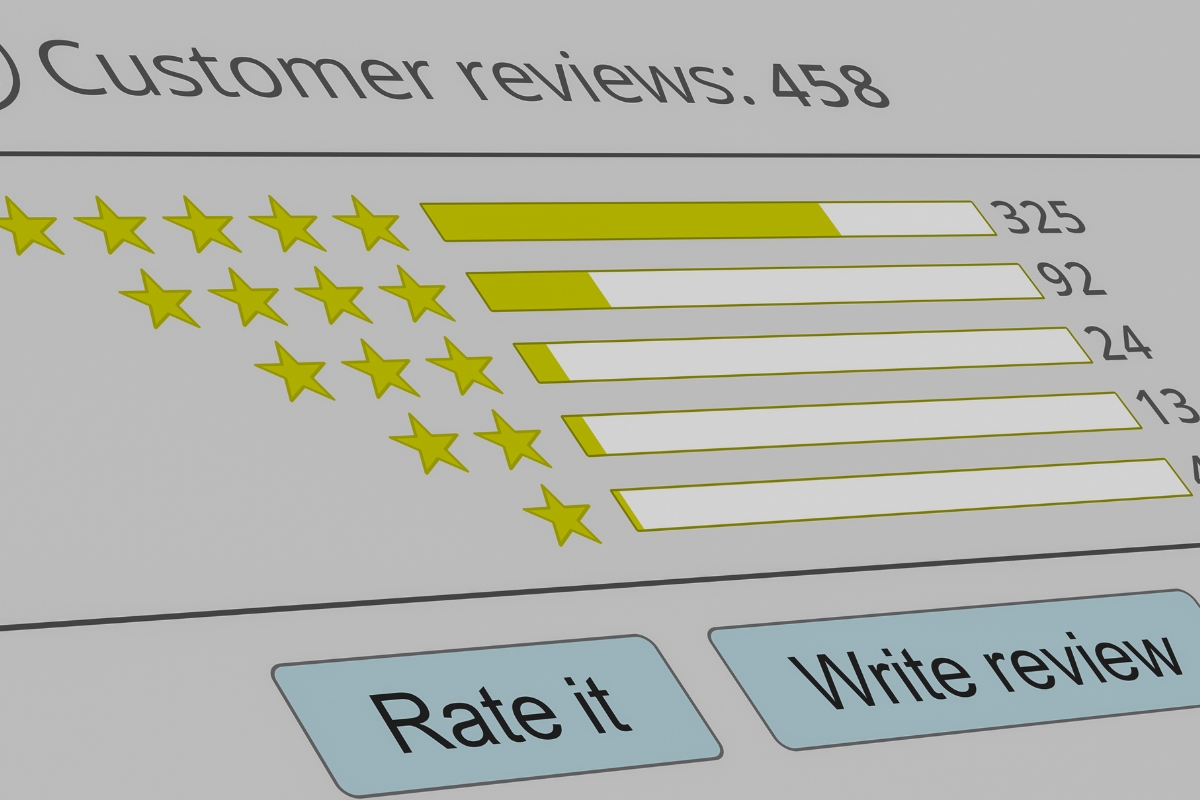
Get Google Reviews Ethically: In today’s digital-first economy, Google reviews have transformed into the modern equivalent of word-of-mouth recommendations for South African businesses. Considering that an overwhelming 93% of local consumers consult reviews before making purchasing decisions—and that businesses with 4+ star ratings enjoy 31% more clicks—your online reputation now plays a pivotal role in commercial success.
This definitive guide presents ethical, proven strategies to secure more Google reviews in South Africa while maintaining compliance with Google’s policies. We’ll systematically explore:
- The critical importance of reviews in our local context
- Practical techniques for requesting reviews professionally
- Ready-to-use templates that simplify the process
- Sector-specific approaches tailored to different industries
- Best practices for managing negative feedback
- Advanced tactics to amplify your review acquisition
Why Google Reviews Are Essential for South African Businesses
1. Consumer Trust and Decision Making
South Africa’s digital consumers demonstrate heavy reliance on online feedback, with BrightLocal research showing 93% consult reviews before purchasing. Beyond establishing credibility, businesses boasting higher ratings typically experience up to 31% more clicks than competitors. Most strikingly, three-quarters of consumers now place equal trust in online reviews and personal recommendations from friends.
2. Local SEO Benefits
From a search visibility perspective, Google’s algorithm evaluates multiple review-related factors. While quantity matters, the platform equally prioritises review quality and recency. Moreover, businesses maintaining fresh reviews consistently appear more prominently in local search results. Particularly impactful are reviews incorporating location-specific keywords, which dramatically enhance visibility for “near me” searches.
3. Competitive Differentiation
Analysing the competitive landscape reveals most South African businesses average just 12 Google reviews. Consequently, those accumulating 50+ reviews gain significant competitive advantage. Furthermore, positive reviews enable premium pricing strategies while simultaneously reinforcing brand authority in the marketplace.
5 Ethical Strategies to Increase Google Reviews
1. Optimise Timing and Approach
Ideal Request Moments:
- Immediately following successful service delivery when satisfaction peaks
- After resolving customer service issues satisfactorily
- Following particularly positive customer interactions
Effective Request Methods:
- Face-to-Face: “We’d genuinely value your thoughts about today’s experience!”
- SMS Template: “Hi [Name], thank you for choosing [Business]! We’d appreciate your honest review: [Short Link]”
- Email Template: “Dear [Name], your feedback helps us improve! Would you share your experience? Just 2 minutes: [Review Link]”
2. Streamline the Review Process
Simplification Tactics:
- Generate a direct review link using Google’s URL shortener
- Create scannable QR codes for physical marketing materials
- Strategically position review links across:
- Email signature blocks
- WhatsApp business profiles
- Digital invoices
- Customer receipts
- Service completion documents
Pro Tip: Services like Birdeye or Grade.us offer mobile-optimised review funnels that further simplify submission.
3. Develop Staff Competency
Training Priorities:
- Articulate the business impact of positive reviews
- Demonstrate professional request techniques
- Identify optimal customer interaction moments
- Implement recognition programmes for successful review generation
4. Utilise Multiple Channels
Integrated Approach:
- Automated post-service SMS/email sequences
- Physical signage featuring QR codes
- Occasional social media prompts
- Natural mentions during service calls
5. Implement Structured Campaigns
Monthly Review Initiative:
- Segment recent satisfied customers
- Dispatch personalised requests
- Send single polite follow-up if needed
- Acknowledge all respondents
Suggested Timeline:
- Day 1: Initial contact
- Day 3: Gentle reminder
- Day 7: Appreciation message
Industry-Tailored Approaches
Retail Sector:
- Include review cards with purchases
- Embed links in digital receipts
- Train staff to mention reviews at point-of-sale
Service Providers:
- Time requests post-service completion
- Incorporate into follow-up communications
- Display prompts on service vehicles
Hospitality Businesses:
- Deploy QR code table tents
- Mention during check-out procedures
- Send post-stay email requests
Healthcare Practices:
- Install waiting room signage
- Include in appointment follow-ups
- Use compliant review platforms
Policy Compliance Essentials
To maintain integrity:
- Never exchange incentives for reviews
- Avoid self-reviewing or employee reviews
- Refrain from filtering only positive requests
- Never coerce dissatisfied customers
- Steer clear of purchased reviews
Managing Critical Feedback
Professional Response Framework:
- Express gratitude for the feedback
- Validate the customer’s experience
- Offer sincere apology where warranted
- Propose constructive resolution
- Encourage offline discussion
Exemplar Response:
“Thank you for sharing your experience, [Name]. We regret your dissatisfaction and would appreciate the opportunity to make amends. Please contact our manager at [phone/email] to discuss resolution.”
Advanced Growth Strategies
Systematise Review Generation
Automate post-service requests
- Monitor conversion metrics
- Continuously refine processes
Website Optimisation
- Feature prominent review CTAs
- Create dedicated review pages
- Showcase authentic testimonials
Video Testimonials
- Encourage multimedia reviews
- Embed compelling video content
Comprehensive Monitoring
- Configure review alerts
- Respond promptly to all feedback
- Personalise engagement
Local Market Considerations
For maximum relevance:
- Incorporate geographic references
- Accommodate multilingual customers
- Reference local events appropriately
- Respect cultural nuances
Performance Measurement
Key Metrics:
- Total review volume
- Average rating
- Response rate
- Detailed review percentage
- Request conversion rate
Helpful Resources
- Google Review Link Generator
https://g.page/r/C…/review
- Customisable Email Templates
[yourwebsite.co.za/free-templates]
- QR Code Creation Tool
https://www.qr-code-generator.com/
Strategic Roadmap
Implementation Plan:
- Optimise Google Business Profile completely
- Train teams in professional review requests
- Deploy multi-channel request systems
- Maintain professional response protocols
- Continuously evaluate and improve
Ultimately, to Get Google Reviews Ethically represents a sustainable strategy for building authentic customer trust. By delivering exceptional service and facilitating effortless feedback, businesses naturally accumulate valuable reviews that drive long-term growth.
Professional Support Available: Our specialists offer tailored review generation strategies for South African businesses. Contact us for consultation.

by Lynn Dreyer | Aug 8, 2025 | Insights and Trends
SA Business Directories Guide: The Top Local Citation Sites to Supercharge Your SEO
For South African businesses, local citations remain one of the most powerful yet underutilised ranking factors. This SA Business Directories Guide reveals the highest-authority platforms where your business needs to be listed, why these citations matter, and how to leverage them for maximum local SEO impact.
Why Local Citations Matter for SA Businesses
Google’s Local Ranking Factors
- Consistent NAP (Name, Address, Phone) citations account for ~15% of local pack rankings
- Businesses with complete citations get 2.3x more “near me” clicks
South African Search Behaviour
- 61% check multiple directories before contacting a business
- Directory links drive 28% of all local search traffic
The Essential SA Business Directories Guide
Google Business Profile (Free)
[Submit via Google]
- Why Essential: The foundation for all local SEO
- Pro Tip: Ensure your category matches directory listings
Brabys (Free/Paid)
[Submit on Brabys]
- Authority: SA’s most trusted business directory since 1990
- Bonus: Appears in Knowledge Graph results
SA Yellow Pages (Free/Paid)
[Submit on Yellow Pages]
- Coverage: Nationwide visibility across all provinces
- Special: Print edition still used by 38% of businesses
HelloPeter (Free)
[Claim Profile]
- Review Power: 1.2M+ SA users check ratings here
- Trust Signal: Improves click-through rates
Hotfrog South Africa (Free)
[Submit on Hotfrog]
- International Backlink: .com domain authority helps rankings
- Category Depth: 300+ SA-specific business categories
Ananzi (Paid)
[Submit on Ananzi]
- Local Focus: Strong for trades and services
- Special: “Sponsored Listings” get premium placement
Brownbook (Free)
[Submit on Brownbook]
- Global Reach: Indexed in 45+ international directories
- Mobile-Optimised: Critical for SA’s mobile-first users
Industry-Specific Directories
| Industry |
Top Directory |
| Medical |
Health24 Directory |
| Legal |
SA Attorney |
| Trades |
ServiceFinder |
| Tourism |
SA-Venues |
Citation Building Strategy
Phase 1: Foundation (Week 1-2)
- Claim/verify Google Business Profile
- Submit to Brabys + SA Yellow Pages
- Set up HelloPeter monitoring
Phase 2: Expansion (Month 1)
- Add remaining core directories
- Fix inconsistent NAP listings
- Begin industry-specific submissions
Phase 3: Maintenance (Ongoing)
- Monthly citation audits
- Quarterly profile updates
- Annual directory renewals
Common SA Citation Mistakes
- Inconsistent NAP (Different phone numbers across directories)
- Wrong Categories (Mismatched with Google Business Profile)
- Duplicate Listings (Creates ranking conflicts)
Pro Tip: Use BrightLocal’s audit tool to find and fix citation errors.
Why This SA Business Directories Guide Works
A Johannesburg plumber increased leads by 175% after:
- Fixing 12 inconsistent citations
- Adding 5 new directory listings
- Optimising all profiles with services/keywords
Contact us for more information.


by Lynn Dreyer | Aug 8, 2025 | Insights and Trends
Mobile SEO SA Essentials: The Complete Guide to Dominating Local Mobile Search in South Africa
With 92% of South Africans accessing the internet via smartphones, mobile optimisation has become the cornerstone of successful local SEO strategies. This comprehensive Mobile SEO SA Essentials guide reveals why mobile-first indexing dramatically impacts your rankings and how to adapt to unique South African mobile search behaviours.

Why Mobile SEO is Non-Negotiable in South Africa
1. Google’s Mobile-First Indexing Reality
Since 2019, Google primarily uses the mobile version of your site for ranking and indexing. This means:
- Your mobile site’s content, speed, and UX directly affect rankings
- Poor mobile optimisation can drop you from local “3-pack” results
- 78% of local searches lead to offline actions (calls, visits) within 24 hours
2. Unique South African Mobile Behaviours
- Load-shedding surges: Mobile searches for “open now” spike 300% during outages
- Voice search dominance: 55% use voice assistants for “near me” queries
- Data sensitivity: 68% abandon sites that use >3MB of data
5 Pillars of Mobile SEO Success for SA Businesses
1. Lightning-Fast Load Times (Under 3 Seconds)
SA-Specific Tactics:
- Use local hosting (Afrihost, RSAWeb) for faster delivery
- Implement advanced caching for load-shedding resilience
- Compress images to under 150KB without sacrificing quality
Tool to Use: Google’s PageSpeed Insights (Test on MTN/Vodacom networks)
2. Flawless Mobile UX Design
Critical Elements:
- Thumb-friendly CTAs (minimum 48x48px)
- Zero pinch/zoom requirements
- Priority placement for:
- Click-to-call button
- Location map
- Emergency service info
Local Example: A Cape Town plumber increased conversions 140% by enlarging their “Call for Emergencies” button
3. Local Content Optimisation
Mobile-Specific Strategies:
- Create neighbourhood pages (e.g., “/plumbing-randburg”)
- Optimise for voice search queries: “Who fixes geysers fastest in Pretoria?”
- Add load-shedding status updates
4. Google Business Profile Mobile Sync
Must-Do Optimisations:
- Verify mobile display of all info
- Enable instant messaging
- Post mobile-optimised offers: “Tap to call – No water? We respond in 30 mins!”
5. Technical Mobile SEO
Advanced Tactics:
- Implement local business schema markup
- Fix mobile crawl errors in Search Console
- Use adaptive images for different networks
SA-Specific Mobile Challenges & Solutions
| Challenge |
Solution |
| Expensive mobile data |
Keep pages under 1MB |
| Unreliable networks |
Critical content loads first |
| Load-shedding disruptions |
Offline-capable PWA options |
| Multilingual searches |
Afrikaans/Zulu meta tags |
Proven Mobile SEO Wins for SA Businesses
Durban Electrician Case Study
- Mobile speed improved from 5s → 2.3s
- “Emergency electrician” calls increased by 210%
Johannesburg Locksmith Example
- Voice search optimisation led to 45% more after-hours calls
Cape Town Restaurant Result
- Mobile menu PDF replaced with HTML → 300% more bookings
Your Mobile SEO Action Plan
Month 1:
- Run mobile usability tests
- Fix critical errors
- Optimise Google Business Profile
Month 2-3:
- Implement local schema
- Create mobile-specific content
- Begin voice search optimisation
Ongoing:
- Monthly speed checks
- Quarterly UX reviews
- Continuous local backlink building
Final Warning:
Businesses ignoring Mobile SEO SA Essentials risk:
- Losing 80% of local traffic
- Missing emergency service calls
- Falling behind competitors
Need help? Our free mobile SEO audit identifies exactly what’s holding back your local rankings.